System integration and maintenance

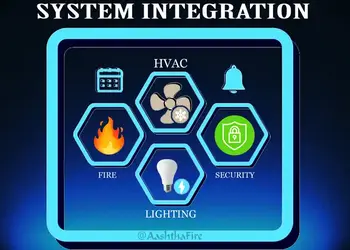
System integration comprises the core engineering part of our services. It basically integrates the different fire safety technologies into one all-inclusive automated fire safety system, enhancing the overall safety of the occupants and assets for our clients.

It includes planning, drawing, designing, supplying, installing, commissioning, testing and maintaining fire prevention, fire detection and fire protection systems in your premises.

System Integration

Which systems are integrated?

Fire Detection and Alarm System (FDAS)

This system is designed to detect a fire and raise the alarm effectively. It includes detectors- smoke/ heat/ multi criteria, alarm panels, manual call points (MCP).

Fire Suppression System

This system is designed to extinguish a fire or control its spread. It includes water based suppression (sprinkler system), gas-based suppression (carbon dioxide, FM200) like CO2 flooding system and wet chemical based suppression (solution of potassium salts).

Smoke Control System

This system is designed to control the spread of poisonous smoke, generated in case of a fire, being fatal for human inhalation. It can be done by either pressurising particular areas, like staircase, lift shaft or lobby, to stop smoke infiltration, or by venting it to the exterior. Fire doors with proper ratings play a crucial role in preventing the spread of heat and smoke, thus increasing the time for safe evacuation.

Emergency Lighting and Exit Signage

This system is designed to illuminate exit signs and turn on emergency lighting as soon as the primary power supply goes off in the event of a fire.

Public Address and Voice Alarm (PAVA) System

This system is designed to convey critical information to all occupants by delivering pre-recorded messages or live announcements, according to the need of the emergency.

Building Management System (BMS)

This is designed to control all the systems installed in the building or premise, through one computer-based platform. It includes the Heating, Ventilation and Air Conditioning (HVAC) system, Closed Circuit Television (CCTV) surveillance system, Lighting systems, Fire safety systems, and other Security systems.

How does the integration work?

System Integration basically provides a fully automatic system that operates without any human intervention, in case of an emergency, enhancing efficiency of managing the situation. Basically as soon as the fire is detected, all the installed systems get activated automatically at the same time.

At first, the fire gets detected by the different types of detectors installed and the alarm is raised automatically.

The fire suppression systems get automatically activated and release water, gas, or wet chemicals.

Integration with the HVAC systems facilitates shutting the dampers, thus containing the smoke in the ventilation system.

The smoke control system gets activated and confines the smoke in designated regions, as all the systems are linked together.

Emergency lighting and PAVA systems are triggered simultaneously, facilitating efficient evacuation.

Why is system integration important?

  • Enhances overall safety of people and property, ensuring that there is no lag between detection, suppression, and evacuation.
  • Improves the response time as multiple safety measures get triggered at the same time.
  • It is cost effective as it helps in protecting the expensive systems from fire damage and also leads to energy efficiency.
  • Centralized safety control panel helps in monitoring and maintaining all the installed systems together from one central location.
  • Minimizes chances of human error as all the systems are fully automatic.

Maintenance

In order to minimise fire mishaps, safeguard individuals and assets of our clients, we provide annual maintenance programmes to ensure that all fire safety systems are operating at their optimum effectiveness and are compliant to the current regulations.